
Day 15 | All Good, No Complaints
Imagine a world where, just for one day, no one complained.
Would it be quieter?
Would certain parts of life feel unfamiliar?
Would there be a momentary hush in our own constant inner chatter?
And then comes the bigger question: why does complaining hold such a tempting allure?
Truly, for some, it truly becomes a drug of choice.
Could you give it up—for our final week?
Complaining, when practiced regularly, can take root and become hard to shake. If we zoom out, we begin to see its shadow side: mean-spiritedness, passive aggression, gossip, defensiveness, self-righteousness, and snark. Over time, chronic complaining can quietly devalue who we are, limit our capacity, and impact our health, relationships, and overall outlook on life.
The subtlety of complaining is slippery. It often becomes a bonding ritual– a pattern we develop as a way of connecting with others. It will don a mask of vulnerability while skillfully avoiding the deeper truth of what we actually need: to be seen, heard, or held. At times, it even morphs into a kind of humble brag—expressing dissatisfaction while living a relatively privileged life.
Complaining can also be a way to offload tension or unprocessed hurt. I remember a relationship where I desperately wanted to complain about my day and was very aware of the pattern. Instead, I said, “I’m not going to complain. I’m just going to state what happened today.” What emerged was a heightened tone of frustration—so much underneath the urge to complain. What I really needed was a safe place to be vulnerable. Eventually, I landed on a mantra that still serves me:
This is not happening to me. This is happening for me. ✨
It’s important to say this clearly: talking about trauma is not complaining. Processing trauma is essential, and if you’ve experienced trauma, seeking support from a trained professional is vital. This challenge is not about silencing or suppressing your feelings. Quite the opposite. As our defense instincts soften, we create space for vulnerability and gratitude to emerge—opening the door to healing.
LEADING BY EXAMPLE
While it’s tempting to notice how others complain (and yes, boundaries matter). But for this practice, we turn inward and ask how we might lead by example. 😊
In yoga philosophy, complaining shows up as mental fluctuations we’ve grown attached to—and that grip can be tight, y’all.
So this week, we explore three mindfulness tools to support our One-Week Challenge: Giving Up Complaining.
ACTION
Give up complaining for the next seven days.
Some people suggest wearing a rubber band and snapping it when you complain. In the spirit of ahimsa, I’m offering a few gentler (and more effective) tools instead. 😉
4 TOOLS
Mindful Meditation: When the urge to complain arises, take a super deep breath, hold it for a beat, and exhale slowly. Be with the sensations in your body, continuing with several deep breaths.
The Gratitude Shift: Establish a daily gratitude ritual. This could involve keeping a journal, practicing a gratitude meditation, or creating a Gratitude Circle with friends where you each email 10 things you're grateful for each day. Journal about how you can reframe common complaints through the lens of gratitude.
Practice Acceptance: If you find yourself consistently complaining about the same thing, explore ways to cultivate acceptance. Consider energetic, mental, spiritual, or physical shifts that could lead you there. What changes can you make to approach the situation differently?
Journal Dump: Sometimes we just have to get it out. When the urge to complain arises, give your thoughts a place to land by putting pen to paper. While it’s tempting to process with someone else, freehand writing can be incredibly powerful for release and clarity.
READ
The Four Agreements by Don Miguel Ruiz - an excellent bedside table read.
RECIPES

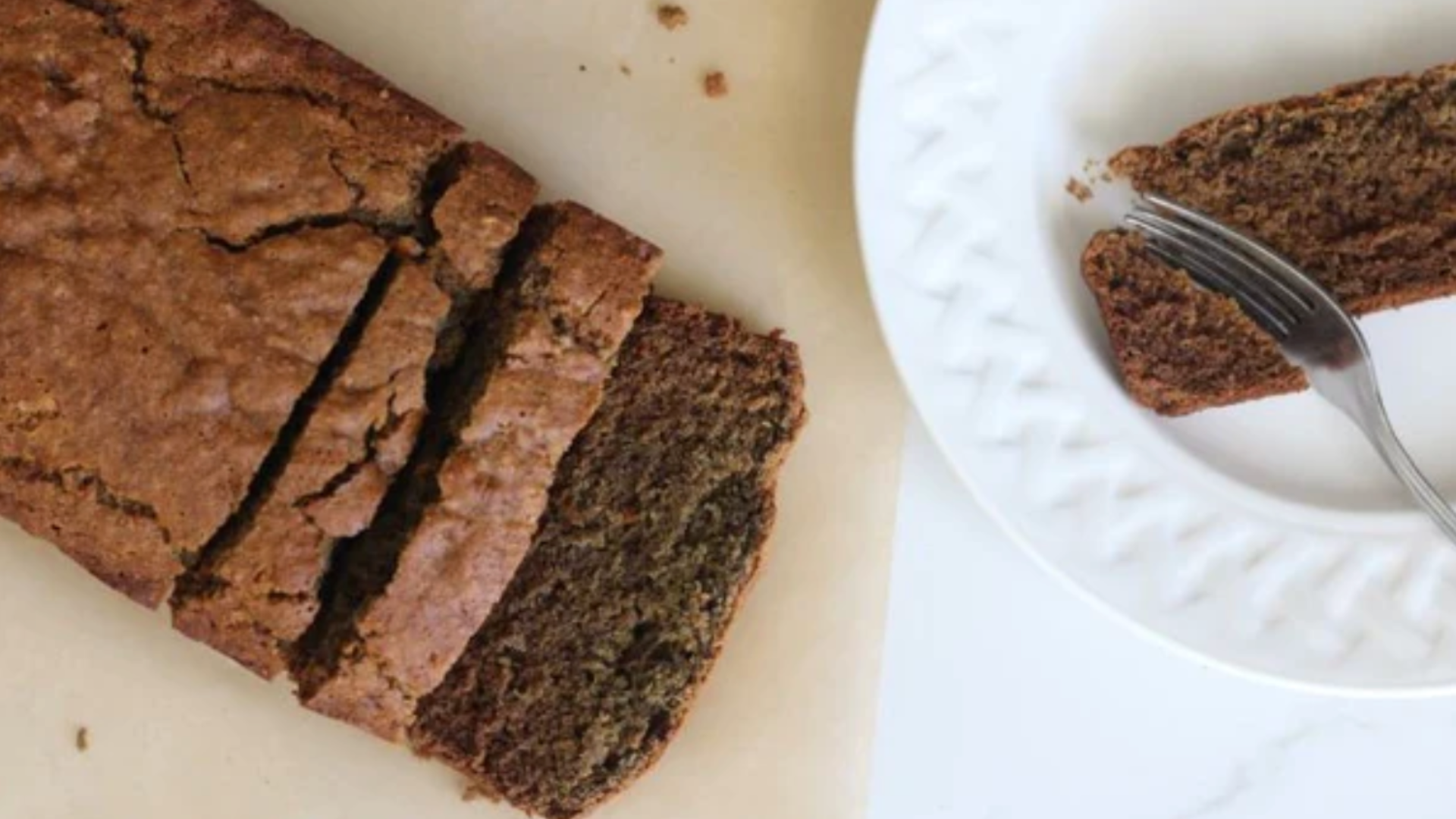
Acceptance is the Answer
“And acceptance is the answer to all my problems today. When I am disturbed, it is because I find some person, place, thing, or situation – some face of my life – unacceptable to me, and I can find no serenity until I accept that person, place, thing or situation as being exactly the way it is supposed to be at this moment. Nothing, absolutely nothing, happens in God’s world by mistake. Until I could accept my alcoholism, I could not stay sober; unless I accept life completely on life’s terms, I cannot be happy. I need to concentrate not so much on what needs to be changed in the world as on what needs to be changed in me and my attitudes.”
– From the Big Book of Alcoholics Anonymous, page 417
Let’s see what becomes available when we stop feeding the habit—and start listening more deeply.
I love you, Keep going!
Alex